The Pentagon Papers that were leaked to the New York Times by Daniel Ellsberg essentiall showed how the U.S. government was misleading the public about the Vietnam War. The document detailed events from 1945 to 1971. This leak lead to the case in the Supreme Court New York Times v. United States.
The main issue in the case was if the government had the power to stop newspapers from publishing if natila security was at risk. The Supreme Court made a decision that blocking the publication would be unconstitutionsl. The 8 to 1 verdict was a clear victory for the first amedment rights of publishers everywhere. The government did not prove that the leaked documents would cause immediate and serious harm to national security.
The case emphasied the importance of the First Amendment. It protects the freedom of the press and limits the government in a way that is critical for a democracy to work. The papers were classified and the lines were blurred when they were published or leaked but the information justified the publishers duty to protect the readers from their owen governments misdeeds.
This case showed how important it is for people to know what’s really happening, even during wartime. The Court had to balance national security concerns with the need for transparency, and they sided with the public’s right to know. Justice John Harlan thought the case moved too quickly, but the majority believed fast action was crucial to protect press freedom.
The decision reinforced that the press plays a vital role in holding the government accountable. The Pentagon Papers gave Americans critical information during a difficult time, and the case became a powerful example of why protecting free speech is so important.
References
- Ellsberg, D. (2002). Secrets: A memoir of Vietnam and the Pentagon Papers. Viking Press.
- Ekstrand, V. S., Carlson, C. R., Coyle, E., Ross, S. D., & Reynolds, A. L. (2023). Trager’s The law of journalism and mass communication (8th ed.). SAGE Publications.
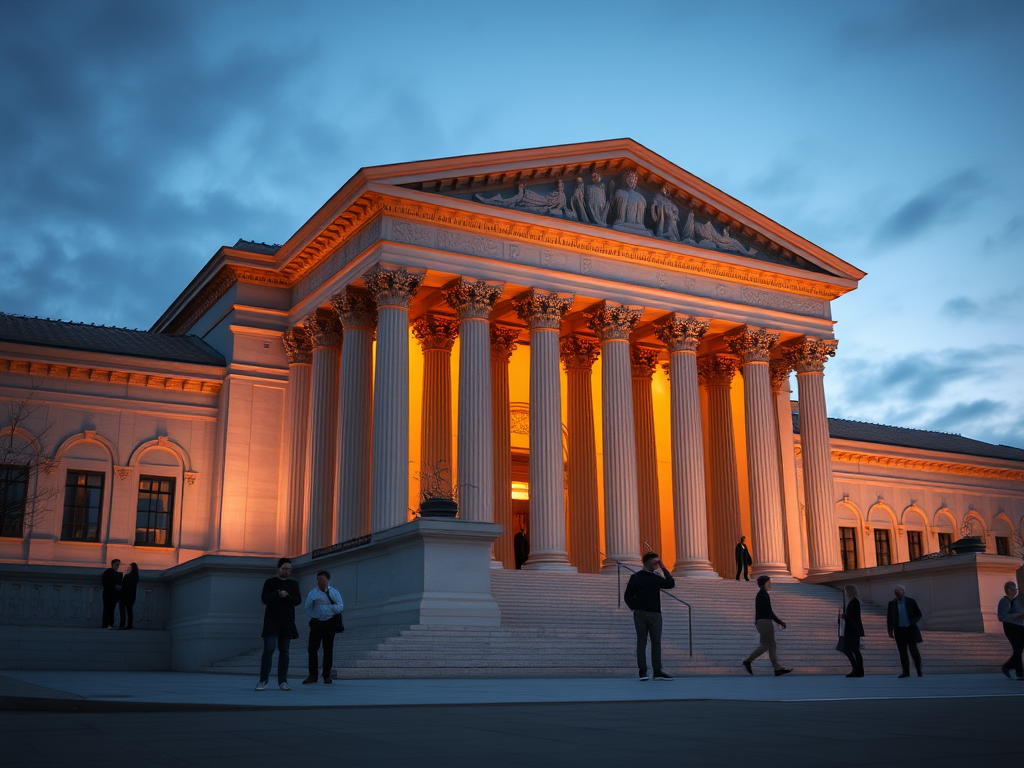
photo credit Word press AI
 Randy's page